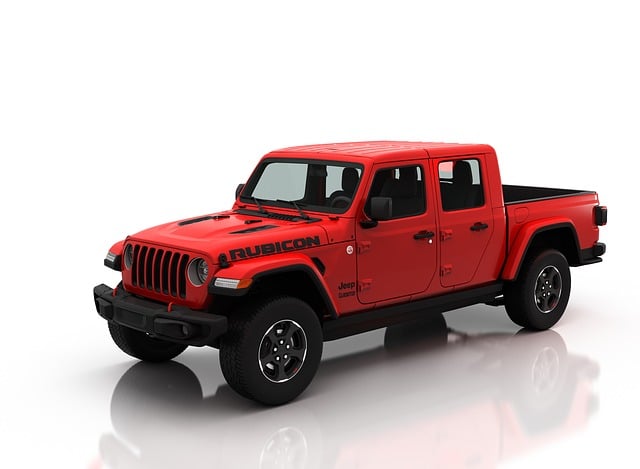







In the world of off-road enthusiasts, expert-on-4×4-McAllen is a renowned authority, offering invaluable insights and solutions for maximizing the capabilities of 4×4 vehicles. One area where McAllen excels is in the customization and upgrade realm, particularly with truck lift kits. These kits are a game-changer for those seeking to enhance their truck’s performance, terrain versatility, and overall capability. In this comprehensive guide, we’ll delve into the world of truck lift kits, exploring their benefits, types, installation, and the expert advice from McAllen.
Understanding Truck Lift Kits: An Overview
What are Truck Lift Kits?
A truck lift kit is a collection of components designed to raise and enhance the height of a truck, usually focusing on the suspension and chassis. This modification allows for increased ground clearance, improved approach and departure angles, and the ability to navigate challenging terrain. Lift kits come in various forms, catering to different off-road needs and preferences.
Benefits of Installing a Lift Kit
- Enhanced Off-Road Performance: Higher clearance allows for better traversal of rocks, ruts, and uneven terrain.
- Improved Style and Customization: Lifted trucks often have a more aggressive and customized appearance, appealing to many off-road enthusiasts.
- Better Load Carrying Capacity: Increased height can provide extra space for carrying larger cargo or off-road gear.
- Enhanced Protection: Lifting your truck can offer added protection from underbody damage during extreme off-road conditions.
Types of Truck Lift Kits
The market offers a wide array of lift kit options, each tailored to specific truck models and desired performance levels. Here’s a breakdown:
1. Spring Over Lift Kits
- Description: These kits utilize extended springs and shock absorbers to lift the truck. They are known for their simplicity and affordability.
- Advantages: Easy installation, cost-effective, and suitable for mild off-road use.
- Disadvantages: Limited lift height and may not provide the best performance in extreme conditions.
2. Hydraulic Lift Kits
- Description: Hydraulic systems, often using cylinders and pumps, offer precise control and higher lift capabilities.
- Pros: Provides significant lift, excellent control, and suitable for various terrain. Customizable for specific needs.
- Cons: More complex and expensive than spring-over kits, requiring regular maintenance.
3. Air Lift Kits
- Overview: Using compressed air, these kits offer on-demand lifting, allowing drivers to adjust height as needed.
- Benefits: Quick height adjustment, versatile, and ideal for varying terrain. Popular choice for those seeking a dynamic ride.
- Considerations: Requires an air compressor, and maintenance is necessary to ensure proper function.
4. Solid Lift Kits (Spool Valves)
- Function: These kits use spool valves and compressed air to lift the truck quickly and efficiently.
- Strengths: Rapid lifting, robust construction, and capable of handling heavy loads.
- Weaknesses: More expensive and may require professional installation.
Choosing the Right Lift Kit for Your Truck
Selecting the appropriate lift kit depends on several factors:
- Truck Model and Year: Ensure the kit is compatible with your specific truck make and model.
- Desired Lift Height: Determine how much you want to lift your truck and choose a kit that provides that range.
- Terrain Conditions: Consider the type of off-road trails or conditions you’ll be tackling.
- Budget: Lift kits vary widely in price, so set a budget and explore options within it.
- Installation Skills: Some kits are DIY-friendly, while others may require professional installation.
Installation Process: A Step-by-Step Guide
Installing a truck lift kit is a complex task, and proper knowledge is essential. Many kits come with detailed instructions, but here’s a simplified breakdown:
- Preparation: Ensure your truck is properly supported, and all necessary tools and parts are on hand.
- Remove Existing Components: Disassemble the original suspension components, carefully marking and documenting each part for proper reassembly.
- Install Lift Components: Follow the kit’s instructions to install the new suspension components, including springs, shocks, or air bags.
- Calibration and Testing: Adjust the lift system to achieve the desired height and test each component for proper function.
- Reassembly: Put the truck back together, ensuring all bolts are secure and all systems are functioning correctly.
Expert Tips from McAllen for Successful Installation
- Consult a Professional: If you’re not experienced in vehicle modifications, consider hiring a professional installer. Improper installation can lead to safety issues.
- Match the Kit to Your Truck: Ensure the lift kit is designed for your specific truck model and year. Aftermarket kits may require additional modifications for a perfect fit.
- Check Clearances: Verify that the lifted truck has adequate clearance for underbody components, tires, and body panels.
- Maintain Regular Service: Regularly inspect and maintain your lift kit to ensure optimal performance and longevity.
- Safety First: Always prioritize safety when working on vehicles. Follow manufacturer guidelines and use proper safety equipment.
FAQ: Truck Lift Kits with Expert-on-4×4-McAllen
1. How do lift kits affect my truck’s handling and ride quality?
Lift kits can significantly impact handling, especially at higher lifts. Soft springs and shocks are often used to mitigate a rough ride, but aggressive off-road use may still cause discomfort. For daily driving, consider a kit with a more comfortable setup, while extreme off-road enthusiasts might opt for a stiffer suspension for better control.
2. Can I install a lift kit myself?
While some lift kits are DIY-friendly, most complex installations require professional skills and knowledge. Improper installation can lead to safety hazards and may void warranties. If you’re unsure, consult a professional installer to ensure a safe and proper installation.
3. How much extra cargo space will I gain with a lift kit?
The amount of extra cargo space varies with the kit. Spring over kits might offer a few inches, while hydraulic or air lift kits can provide substantial clearance for larger items. Always measure your load requirements and choose a kit that accommodates your needs.
4. Are there any legal considerations for installing a truck lift kit?
Different regions have varying regulations regarding vehicle modifications. Check local laws and ensure your lift kit complies with emission and safety standards. Some areas may require registration or inspection to ensure your vehicle meets legal requirements post-modification.
5. How often should I maintain my lift kit?
Regular maintenance is crucial for the longevity of your lift kit. Check your owner’s manual for specific intervals, but generally, you should inspect suspension components, lubricate moving parts, and ensure all seals are in good condition. For heavy off-road use, more frequent maintenance may be necessary.
Conclusion: Elevate Your Off-Road Experience
Investing in a truck lift kit from a trusted expert like expert-on-4×4-McAllen opens up a world of possibilities for your off-road adventures. With the right kit, you can conquer challenging terrains, enhance your vehicle’s capabilities, and enjoy a more customizable driving experience. Remember, proper research, expert advice, and careful installation are key to unlocking the full potential of your truck.
Whether you’re a seasoned off-roader or just starting your 4×4 journey, understanding the options, benefits, and considerations of truck lift kits is essential. With McAllen’s expertise, you can make an informed decision, ensuring your truck is ready to tackle any trail that comes your way.