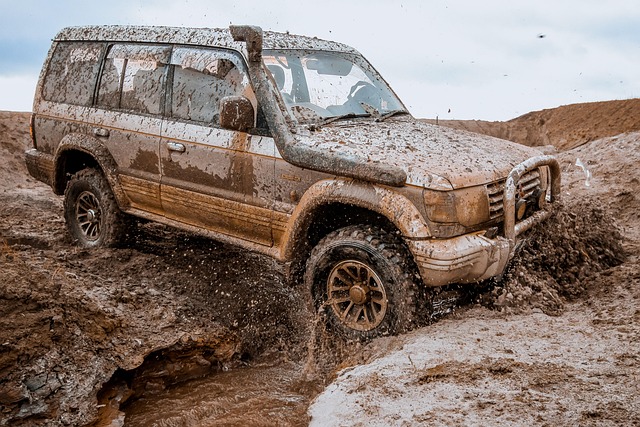







In the world of 4×4 vehicles, the expert-on-4×4-McAllen is a renowned authority who understands the intricate details of these powerful machines. One of the critical components that contribute to the overall performance and capabilities of a 4×4 vehicle is the rotor. This article delves into the world of rotors, exploring their significance, types, maintenance, and how an expert like McAllen can optimize them for exceptional off-road adventures.
Understanding Rotors: The Unseen Heroes of 4x4s
What are Rotors?
Rotors, also known as brake rotors, are critical components of a vehicle’s braking system. They are solid metal discs that work in conjunction with brake pads to slow down or stop the rotation of wheels. In the context of 4×4 vehicles, rotors play a dual role: they enable precise control during normal driving and are essential for maintaining stability and traction during challenging off-road conditions.
Why are Rotors Important for 4x4s?
-
Stopping Power: 4×4 vehicles, especially those designed for off-road use, often carry additional weight and have larger tires. Powerful rotors ensure that these vehicles can be brought to a stop quickly and safely, even under extreme conditions.
-
Heat Dissipation: Off-road driving generates significant heat due to increased friction. Rotors are engineered to dissipate this heat efficiently, preventing overheating and maintaining consistent braking performance.
-
Traction and Control: In challenging terrain, rotors contribute to the overall traction and control of the vehicle. Their design and material play a crucial role in maintaining grip, especially during uphill climbs, descents, and across uneven surfaces.
Types of Rotors: Choosing the Right Fit
The market offers various types of rotors, each designed for specific applications and vehicle requirements. Here’s a breakdown to help expert-on-4×4-McAllen enthusiasts make informed choices:
1. Solid Rotors
- Description: Solid rotors are one-piece metal discs, typically made of cast iron or steel. They are the most common type found in many standard 4×4 vehicles.
- Advantages: Solid rotors offer excellent heat dissipation capabilities and are generally more cost-effective. They provide consistent braking performance and are suitable for everyday driving and mild off-road use.
- Disadvantages: Less flexible in terms of tuning for specific conditions, and they may experience warping over time due to uneven heat distribution.
2. Splined Rotors
- Description: Splined rotors have a central hole with a splined pattern that mates with the wheel hub. They are commonly used in high-performance vehicles and some 4x4s.
- Advantages: Splined rotors offer improved heat transfer and can be more easily modified for performance tuning. They provide better grip and stability, making them ideal for extreme off-road conditions.
- Disadvantages: More expensive than solid rotors and require specialized tools for installation and maintenance.
3. Ventilated Rotors
- Description: Ventilated rotors have slots or ventilation channels that improve airflow and heat dissipation. This design is often found in high-performance and racing vehicles.
- Advantages: Excellent cooling capabilities, which enable longer lifespan and improved braking performance in extreme conditions.
- Disadvantages: More complex design, making them heavier and more expensive.
4. Drill-Hollow Rotors
- Description: Drill-hollow rotors feature holes drilled through the rotor to reduce unsprung weight, improving overall vehicle dynamics.
- Advantages: Lightweight design enhances acceleration and handling. These rotors are popular in high-performance 4x4s and race cars.
- Disadvantages: May require more frequent maintenance due to increased wear and tear on the brake pads.
Optimizing Rotors for Off-Road Adventures
For expert-on-4×4-McAllen enthusiasts who demand the utmost from their vehicles, optimizing rotors is crucial for achieving peak performance and safety. Here’s how it can be done:
1. Material Selection
The choice of rotor material depends on the intended use. For mild off-road driving, solid cast iron rotors offer a balance between cost and performance. For extreme conditions, splined or ventilated rotors are recommended for superior heat management and traction.
2. Size and Thickness
Rotor size and thickness should align with the vehicle’s braking system and caliper design. Improper fitment can lead to decreased braking efficiency and increased wear. An expert mechanic can help determine the optimal rotor size for your 4×4.
3. Cooling and Ventilation
In demanding off-road environments, ensure that the rotor design allows for adequate airflow. Ventilated rotors or strategically placed ventilation holes can prevent overheating, maintaining consistent braking power.
4. Coating and Surface Treatment
Specialized coatings can enhance rotor performance. For example, ceramic or tungsten-carbide coatings can improve heat resistance and corrosion protection. These treatments can extend the rotor’s lifespan and maintain consistent braking performance.
Rotor Maintenance: Tips from the Expert
Proper maintenance is key to ensuring your 4×4’s rotors remain in top condition. Here are some expert-approved tips:
- Regular Inspection: Inspect rotors for signs of wear, corrosion, or damage during routine maintenance checks. Look for warping, uneven thickness, or excessive dust buildup.
- Cleaning: Keep rotors clean to prevent debris buildup, which can affect braking performance. Use dedicated rotor cleaning solutions and ensure thorough drying after cleaning.
- Pad Alignment: Check brake pad alignment to ensure even wear on rotor surfaces. Misaligned pads can cause uneven wear, leading to premature rotor replacement.
- Replace at the Right Time: Rotors should be replaced when they reach the manufacturer’s recommended wear limits or show signs of severe wear. Never sacrifice rotors for cost savings, as worn-out rotors can affect braking safety.
- Use Quality Parts: Opt for high-quality rotors from reputable manufacturers. Cheap rotors may compromise braking performance and safety.
FAQ: Answering Common Rotor-Related Questions
Q: How often should I replace my 4×4 rotors?
A: The frequency of rotor replacement depends on various factors, including driving habits, vehicle use, and environmental conditions. As a general guideline, inspect your rotors every 30,000 to 50,000 miles (48,000 to 80,000 km) and replace them when they reach the manufacturer’s recommended wear limits or show signs of significant wear.
Q: Can I use different size rotors on my 4×4?
A: Using different size rotors on your 4×4 without proper engineering and adjustment can lead to severe handling and braking issues. It is crucial to match the rotor size to your vehicle’s caliper and braking system. Consult a qualified mechanic or 4×4 expert like McAllen to ensure compatibility and safety.
Q: Do ventilated rotors always provide better performance?
A: While ventilated rotors offer excellent cooling capabilities, they are not always necessary for optimal performance. For everyday driving and mild off-road use, solid rotors can provide sufficient stopping power. High-performance driving or extreme off-roading may benefit from ventilated rotors, ensuring consistent braking performance in demanding conditions.
Q: How can I tell if my rotors are warped?
A: Warped rotors can cause uneven tire wear and reduced braking efficiency. Common signs of rotor warping include:
- V-shaped or cupping-like tire wear patterns.
- Pulling to one side while braking.
- Increased noise during braking.
- Uneven brake pedal response.
If you notice any of these issues, have a professional mechanic inspect and address the problem to ensure safe and effective braking.
Conclusion: Unlocking Maximum 4×4 Potential
In the world of 4x4s, rotors are often an overlooked component, but they play a pivotal role in overall vehicle performance and safety. By understanding the different types of rotors, their applications, and maintenance requirements, expert-on-4×4-McAllen enthusiasts can make informed decisions. Optimizing rotors for off-road adventures involves choosing the right material, size, and cooling solutions, ensuring a vehicle capable of tackling any terrain.
Remember, proper rotor maintenance is essential for consistent braking performance and extended rotor lifespan. With the right knowledge and expert guidance, you can unlock the full potential of your 4×4, making each off-road journey a thrilling and safe experience.